When I first heard about Saleh Bay, it was all about the whale sharks. These gentle marine giants had captured the imagination of many travelers, and I was no exception. I had booked my trip expecting epic encounters on the water, but what I didn’t expect was how much the land, its people, and especially its food would capture my heart.
My journey began in the quiet village of Labuan Jambu, nestled on the edge of Saleh Bay. The sun had just begun to rise, casting a golden hue over the wooden houses and small fishing boats bobbing along the shoreline. There’s a sacred stillness to mornings in this part of Sumbawa. A kind of quiet rhythm that seeps into your bones.
I was greeted by the smell of wood-fired stoves and brewing coffee. My host, Ibu Lilis, had already set out a tray with two steaming cups and a plate of soft rice cakes coated in shredded coconut and palm sugar. “Kue janda,” she said with a smile. The texture was chewy, the sweetness subtle. It reminded me of something my grandmother would make back home—only here, the flavors carried whispers of salt, spice, and volcanic earth.
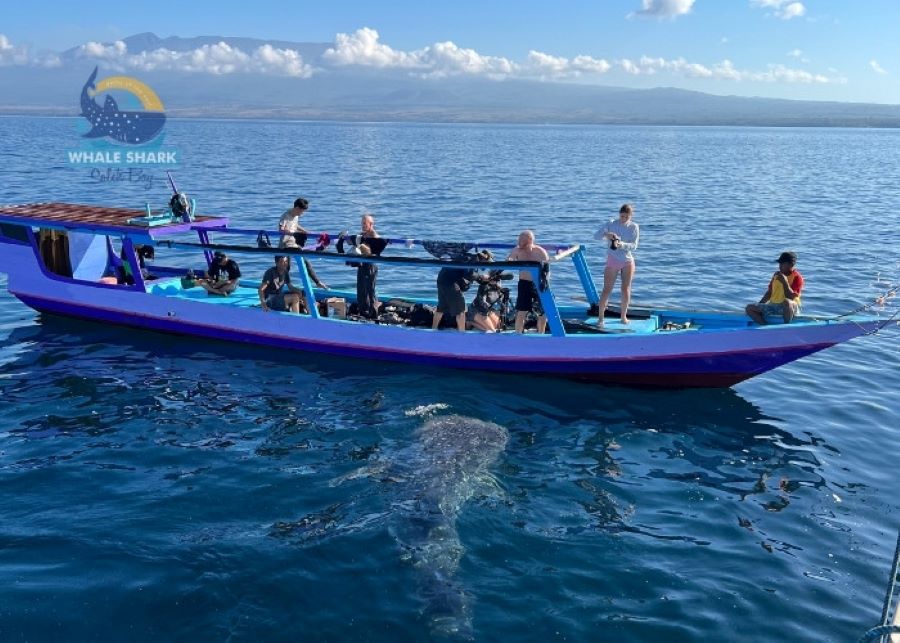
Later that day, I joined a small group heading out to sea as part of the whale shark Saleh Bay expedition. The water shimmered like glass, and the anticipation was electric. We spotted several whale sharks gliding gracefully beneath our boat—an encounter so humbling it left me speechless. But once we returned to shore, something else caught my attention: a young boy running barefoot across the sand, holding a tuna nearly as long as his torso.
A makeshift grill was quickly assembled. Coconut husks crackled under a metal grate, and within minutes, the beach transformed into an open-air kitchen. We feasted on freshly grilled tuna, slathered in a homemade sambal made from tomatoes, chilies, and a mysterious blend of local spices that made my eyes water and my heart sing. There was no menu, no chef’s name, no social media handle. Just fire, fish, and flavor.
That was the moment I realized that the real essence of this trip wasn’t just under the sea. It was also here—on land, around open fires, in roadside warungs, and quiet kitchens.
The next day, I wandered into a warung that barely looked open. A single wooden sign, hand-painted and slightly tilted, read “Warung Makan Ibu Imah.” The inside was dimly lit, the kind of place that locals know and outsiders often miss. Ibu Imah welcomed me with a gentle nod and a plate of singang—Sumbawa’s answer to fish soup, bright yellow from turmeric and tangy with tamarind.
The broth was delicate, but full of depth. The fish flaked apart effortlessly, and the aroma was grounding. It felt like I was being let into a secret. Not the kind of flashy food experience that trends online, but the kind that roots you in place. That kind of flavor lingers in your memory.
After lunch, I sat outside watching schoolchildren pass by, some barefoot, others carrying woven baskets of snacks to sell. A young girl approached with a tray of fried dough balls, drizzled with palm sugar syrup. She called them “jaje tujak.” I bought two. They were warm, chewy, and deeply satisfying. It wasn’t just a snack. It was part of the rhythm of the village.
One of the best surprises during my culinary exploration was Sumbawa honey. I had heard about it in passing, but it wasn’t until I met Pak Rustam, a local beekeeper, that I truly understood its magic. He led me down a small forest trail to his hive—nothing high-tech, just bamboo tubes tucked into tree trunks.
He tapped one gently, and golden honey slowly trickled out. It was thick, almost syrupy, with a flavor that was smoky, earthy, and slightly herbal. Locals use it not just as a sweetener but as medicine, energy booster, and even a romantic tonic. I took a small bottle back to my homestay and added it to my morning coffee. That simple act—coffee and honey at sunrise—became a ritual that marked each new day.
Evenings were for exploration. While most travelers rested after a day on the water, I wandered through the village, drawn by the sounds of sizzling oil and clinking plates. One night, I stumbled upon a small group cooking over a communal firepit. They invited me to join. We shared grilled corn brushed with salted coconut oil, a bowl of shredded jackfruit curry, and a round of fried fish-skin crackers they called kerupuk kulit ikan.
It wasn’t fancy, but it was perfect.
What struck me most was how seamlessly the food experience blended into daily life. There’s no separation between eating and living here. The fishermen cook their catch on the beach. Mothers sell homemade snacks from their porches. Children help grind spices and serve plates with pride. It’s a communal dance, and as a visitor, you’re gently folded into the rhythm.
Beyond the core dishes like singang, ikan bakar, and kue janda, I kept encountering small gems that deepened my appreciation for Sumbawan cuisine. One such dish was bunga turi salad—made from local flowers, slightly bitter, dressed in spicy peanut sauce. Another was tapa kolo, smoked rice that’s often prepared during rituals and served in banana leaves.
These flavors may seem simple on the surface, but they carry stories—of family, of ceremony, of adaptation. In a place shaped by sea currents, mountain winds, and volcanic soil, every ingredient feels intentional.
Of course, the natural wonder of the marine ecosystem is what draws many travelers here. Swimming alongside a whale shark in Saleh Bay is one of the most breathtaking experiences one can have. But understanding how the people here coexist with these creatures—respecting fishing seasons, avoiding certain areas during breeding months, honoring the ocean with rituals—adds another layer of meaning to the trip.
The food and the sea are not separate. They’re chapters in the same story.
By the end of my stay, I had fallen in love with both. The underwater serenity of the whale sharks. The above-ground joy of grilled jackfruit and honey coffee. The honest, unpretentious welcome that met me at every door and every table.
When people ask me about my trip to Sumbawa, I talk about the whale shark tour, of course. But then I tell them about the roadside warungs. About the smoky rice. About the sambal that made me cry in the best way. About how, in the quiet spaces between adventures, I found a deeper kind of magic—flavored with turmeric, grilled over coconut husks, and sweetened with wild honey.